Currently Empty: $0.00



Course Description
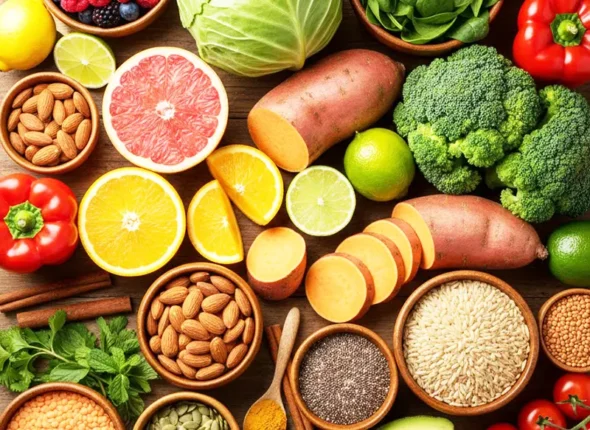
In this comprehensive and science-based course, you’ll learn how to prepare delicious, nutritious, and balanced plant-based meals that are packed with essential nutrients. From understanding the core principles of plant-based eating to mastering essential cooking techniques, this course covers it all. Whether you’re looking to improve your health, support sustainable food practices, or explore new culinary possibilities, you’ll gain the tools and knowledge to create meals that nourish both your body and the planet.
In recent years, plant-based eating has been shown to have numerous health benefits, from improved heart health and digestion to better energy levels and disease prevention. By choosing to incorporate more plant-based meals into your daily routine, you’re making a powerful decision for your health and the environment. This course will teach you how to confidently prepare whole, unprocessed, plant-based meals that are not only satisfying but also packed with the nutrients your body needs.
Students will learn:
- Foundational Nutrition: Understand the core nutrients in a plant-based diet, including protein, healthy fats, carbohydrates, vitamins, and minerals, and how to balance them
effectively in every meal. - Meal Planning & Prep: Learn how to plan meals for the week, batch cook for efficiency, and prep ingredients that make mealtime easy, nutritious, and stress-free.
- Cooking Techniques: Master essential plant-based cooking techniques such as sautéing, roasting, steaming, and creating flavorful dishes with herbs and spices.
- Key Kitchen Tools: Discover the must-have kitchen tools that make plant-based meal preparation easier and more enjoyable.
- Understanding Whole Foods: Learn to choose whole, nutrient-dense ingredients that support your body and health goals, from grains and legumes to vegetables, fruits, and
plant-based protein sources. - Sustainability: Understand how your food choices impact the planet and how you can use plant-based eating to reduce waste, promote sustainability, and make eco-friendly
decisions in the kitchen.
Who is this course for?
This course is designed for anyone looking to improve their health through plant-based eating, whether you’re just starting to explore plant-based food or are an experienced cook seeking to deepen your knowledge and skills. If you want to:
- Boost your energy and health with nutrient-dense meals
- Support the environment by adopting sustainable eating habits
- Learn practical cooking skills that make plant-based eating easy and enjoyable
- Elevate your culinary repertoire with new and exciting flavors and recipes
At the end of this course, students will learn about the nutritional science behind plant-based eating and how it supports health, get hands-on approach with practical lessons, easy-to-follow recipes, meal plans, and step-by-step guides, and take part in interactive forums and assignments.
Curriculum
- 16 Sections
- 0 Lessons
- 12 Weeks
Expand all sectionsCollapse all sections
- 1. Introduction to Plant-based DietsUnderstand the fundamentals of plant-based diets, including different types (vegan, vegetarian, whole-food plant-based) and their health benefits.0
- 2. The Science of Plant-based NutritionExplore the scientific evidence behind the health benefits of plant-based diets, including the prevention and management of chronic diseases.0
- 3. Nutrient Essentials in Plant-based DietsIdentify key nutrients needed for a balanced diet (e.g., protein, B12, iron, calcium) and learn how to source them from plant-based foods.0
- 4. Meal Planning and Nutritional BalanceLearn how to plan nutritionally balanced plant-based meals, ensuring all essential nutrients are covered.0
- 5. Cooking with Whole FoodsMaster cooking techniques using whole, unprocessed plant-based ingredients, such as grains, legumes, vegetables, nuts, and seeds.0
- 6. Substituting Animal ProductsLearn how to replace animal-based ingredients with plant-based alternatives in various recipes without compromising taste or nutritional value.0
- 7. Understanding Plant-based ProteinExplore various plant-based protein sources, such as legumes, tofu, tempeh, and quinoa, and learn how to incorporate them effectively into meals.0
- 8. Healthy Fats in Plant-based DietsUnderstand the role of healthy fats in a plant-based diet and learn how to include sources like avocados, nuts, seeds, and olive oil.0
- 9. Cooking Techniques for Plant-based IngredientsMaster cooking techniques specific to plant-based ingredients, including knife skills, soaking, sprouting, fermenting, and proper preparation of grains, legumes, and vegetables.0
- 10. Cooking for Different Dietary NeedsLearn to adapt plant-based meals for different dietary needs, such as gluten-free, nut-free, or low-sodium diets.0
- 11. Sustainability and Environmental ImpactExplore the environmental benefits of plant-based diets, including reduced carbon footprint, water conservation, and ethical considerations.0
- 12. Food Safety and HygieneMaster food safety practices, including proper storage, handling, and preparation of plant-based foods to prevent contamination and preserve nutritional quality.0
- 13. Mindful and Intuitive EatingLearn the principles of mindful and intuitive eating, focusing on body cues, hunger, fullness, and the emotional aspects of eating.0
- 14. Cultural and Global Plant-based CuisinesExplore plant-based meals from different cultures, learning to prepare a variety of international dishes using authentic ingredients.0
- 15. Label Reading and Processed FoodsGain skills in reading food labels to make informed choices about processed plant-based products, understanding additives, preservatives, and nutritional content.0
- 16. Cooking with Seasonal and Local IngredientsLearn the benefits of using seasonal and locally sourced ingredients and how to incorporate them into their meal planning.0

Course Includes:
- Price:
$999.00
- Instructor:Lydie Charles
- Duration:12 weeks
 Lessons:0
- Students:14
- Language:English
- Certifications:Yes
Courses You May Like
8 weeks
Intermediate
FN112 – Fundamentals of Nutrition
$400.00
students will have a solid nutritional framework rooted in science, practicality, and respect for the body’s design—empowering them to support health, prevent imbalance, and promote...
Enroll Now
7 weeks
Intermediate
PN125 – Preventive Nutrition
$350.00
Students will be equipped with a holistic, preventive approach to nutrition that honors the body’s God-given design, supports overall wellness, and lays the groundwork for...
Enroll Now
4 weeks
Intermediate
CNR1311 – Clinical Nutrition and Research
$250.00
Students will be equipped to critically assess nutritional research and apply evidence-based insights with integrity, clarity, and purpose—preparing them to support informed, ethical decision-making in...
Enroll Now